Unlocking the World of Fake Money: The Ultimate Guide to *Fake CAD* and Counterfeit Currency in Business
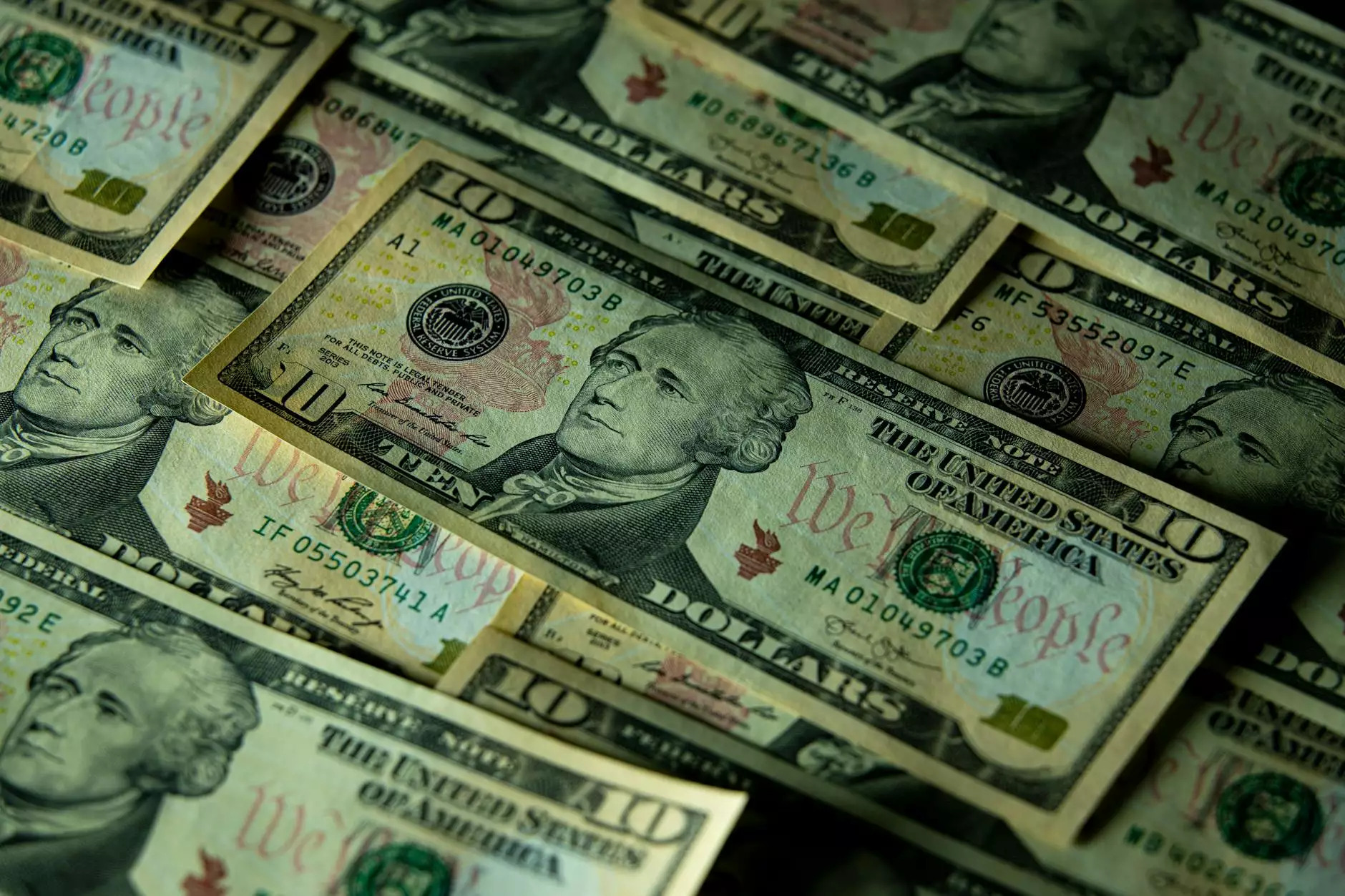
In the dynamic realm of modern finance and commerce, understanding counterfeit money is more crucial than ever. As businesses continue to thrive and expand, the threat of fake currency, especially *fake CAD*, poses significant risks that demand attention and education. Whether you're an entrepreneur, financial institution, or a regular business owner, equipping yourself with comprehensive knowledge about counterfeit money can safeguard your assets and maintain the integrity of your transactions.
Understanding Counterfeit Money: An Insight into the World of Fake Currency
Counterfeit money refers to fake currency produced with the intention of deceiving individuals or businesses into believing it is real. The creation and distribution of fake currency have evolved dramatically with technological advancements, making detection more challenging than ever before. The primary goal of counterfeiters is to profit at the expense of unsuspecting victims, and their methods can range from traditional printing techniques to highly sophisticated digital forgeries.
The Rise of Fake CAD: An Emerging Challenge for Business and Law Enforcement
Among the numerous types of counterfeit money, *fake CAD* — counterfeit Canadian Dollars — has garnered particular attention from authorities and financial institutions worldwide. Canada's magnetic and visually distinctive banknotes, once thought to be secure, have still fallen prey to counterfeit operations aiming to exploit their widespread acceptance and trust.
Why is *Fake CAD* a Growing Concern?
- Globalization: The movement of goods and money across borders facilitates the circulation of fake CAD notes.
- Technological Advances: Sophisticated printing and digital editing tools enable counterfeiters to produce near-perfect replicas.
- Economic Incentives: profitability drives criminals to generate higher quantities of *fake CAD* Bills, risking larger economic impacts.
- Weak Detection Methods: In some cases, businesses and individuals lack awareness or training to spot counterfeit bills effectively.
How to Identify Genuine *Fake CAD*: Essential Tips for Businesses
Recognizing fake currency, especially *fake CAD*, is vital to prevent financial losses. Here are some detailed techniques that can help distinguish real bills from counterfeit ones:
Physical Features to Examine
- Feel the Paper: Genuine Canadian banknotes are printed on a unique polymer substrate, which feels smooth and firm. Counterfeit bills might feel flimsy or inconsistent.
- Look for Transparency Windows: Authentic bills include transparent or semi-transparent features visible when held up to light.
- Check the Raised Ink: Real banknotes have raised elements, such as the numeral or certain images, palpable by touch.
- Inspect Fine Details and Microprinting: Authentic bills feature microprinting that is difficult to replicate, often visible under magnification.
Visual Security Features
- Color-Shifting Ink: Observe how certain numbers or symbols change color when the bill is tilted.
- Holograms and Metallic Features: Genuine bills include holographic images or metallic strips that are hard to duplicate accurately.
- Watermarks and Transparent Windows: Hold the bill to the light to see watermarks and transparent areas embedded in the paper.
- UV Features: Under ultraviolet light, certain areas glow or reveal specific security marks.
Legally Navigating the Market of Fake Money and *Fake CAD*
Engaging in any transaction involving counterfeit currency is illegal and carries severe penalties. However, many individuals and businesses inadvertently come into contact with *fake CAD* or other fake money through various channels. It's essential to understand the legal landscape:
- Avoid Circulating or Using Fake Currency: If you suspect a bill is fake, do not attempt to pass it along or use it for transactions.
- Legal Consequences: Possession or distribution of counterfeit money can lead to hefty fines, criminal charges, or imprisonment.
- Reporting Suspected Fake Currency: Notify local authorities or the bank immediately to take appropriate action.
- Educate Your Staff: Regular training sessions on identification techniques help prevent accidental acceptance of fake bills.
Preventive Measures to Protect Your Business from Fake Money
Prevention is always better than cure. Here are proven strategies for businesses to minimize the risk of accepting fake currency:
Implementing Detection Technologies
- Counterfeit Detectors: Use handheld or terminal-based devices that automatically verify the authenticity of bills.
- Security Features Verification Tools: Invest in UV light scanners or magnification tools to examine microprinting and holograms.
- Cash Handling Policies: Establish strict procedures for verifying large bills or suspicious notes.
- Training Programs: Regularly train employees on the latest security features and counterfeit detection methods.
Best Practices for Handling Cash Transactions
- Count Cash Publicly: Encourage openly counting cash to avoid confusion or tampering.
- Use Secure Cash Registers: Equip cash registers with real-time verification features where possible.
- Limit Cash Transactions: Promote digital payments, which are less susceptible to counterfeit issues.
- Maintain Records: Keep detailed logs of transactions involving large or suspicious bills for future reference.
The Future of Counterfeit Prevention: Innovation and Technology
As counterfeiters become more sophisticated, the industry responds with advanced technology and innovative security features:
- Embedded Digital Watermarks: Digital codes embedded within the currency can be read by specialized scanners for instant verification.
- Biometric Security: Incorporation of biometric elements within transaction systems enhances security.
- Blockchain Authentication: Some countries and institutions explore blockchain to verify currency authenticity digitally.
- AI and Machine Learning: Using artificial intelligence to detect subtle differences in counterfeit notes during image analysis.
The Role of Businesses and Consumers in Combating Fake Money
Every stakeholder has a role in safeguarding the economy from fake money:
- Businesses: Regularly update security measures, educate staff, and handle cash responsibly.
- Consumers: Develop awareness of security features, inspect notes carefully, and report suspicious bills.
- Law Enforcement: Strengthen detection capabilities and conduct public awareness campaigns.
- Central Banks and Governments: Continually improve currency security features and facilitate swift responses to counterfeit threats.
Conclusion: Building a Resilient Business Ecosystem Against Fake Money
The landscape of counterfeit money, with a specific focus on *fake CAD*, is complex and evolving. Its threat to business operations, financial stability, and national economies underscores the importance of vigilance, education, and technological adaptation. By understanding the key features of authentic currency and implementing robust detection measures, businesses can significantly reduce their risk of accepting or dealing with fake money.
Remember, proactivity and awareness are your best tools in this ongoing battle against counterfeit currency. Staying informed about the latest security features, training staff regularly, and utilizing advanced verification tools will position your enterprise at the forefront of financial security.
For more resources, professional guidance, or to acquire state-of-the-art detection technology, visit undetectedbanknotes.com. Empower your business today to face tomorrow’s challenges in the world of fake money.