Unlocking the Power of Marine Communication Systems: The Backbone of Modern Maritime Business
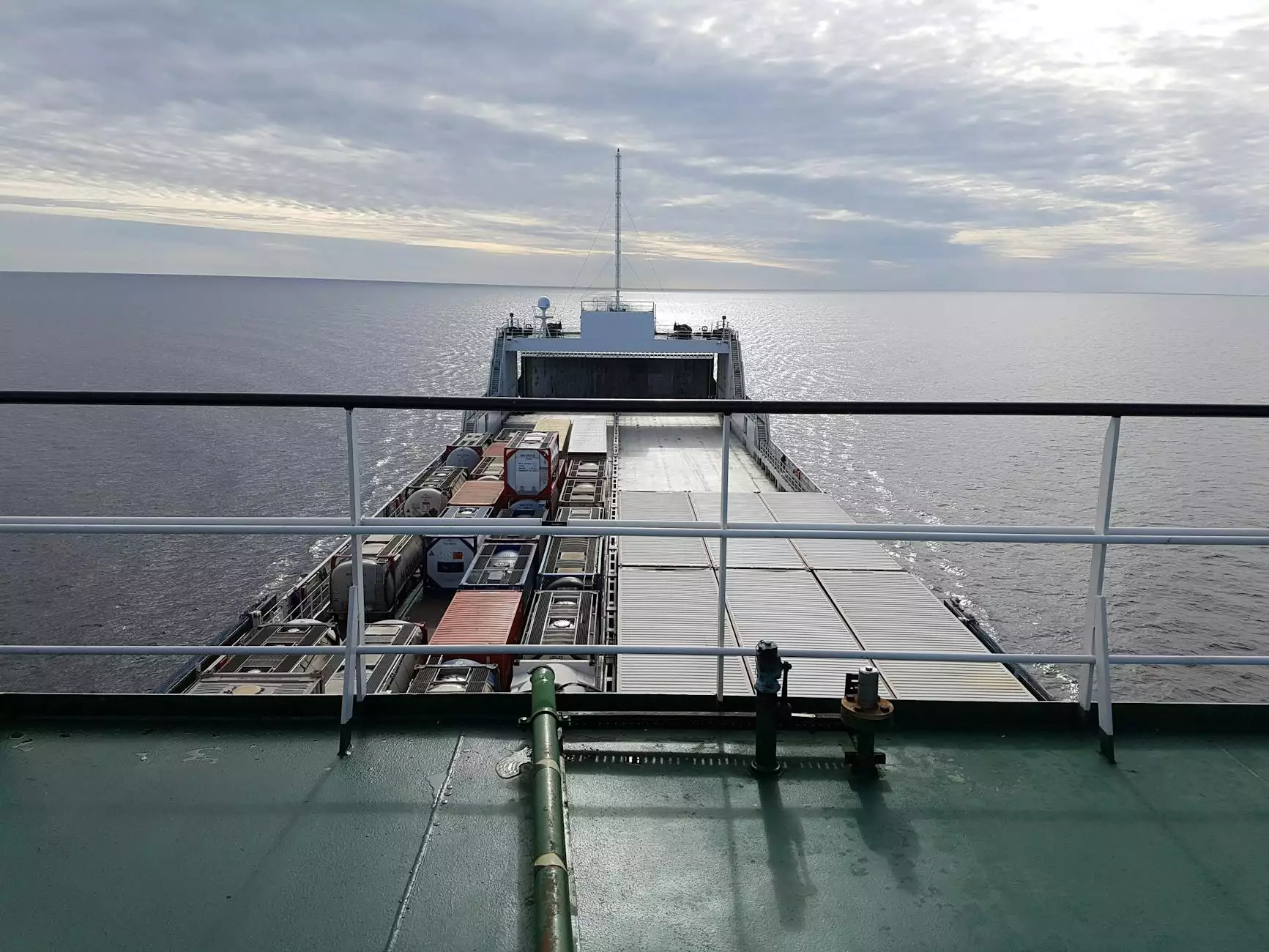
In today's rapidly evolving global economy, the maritime industry stands as a vital pillar supporting international trade, commerce, and connectivity. The backbone of this industry is anchored by advanced communication technologies, particularly the marine communication system. These systems serve as essential tools that enable seamless, reliable, and secure communication for vessels, ports, and maritime authorities worldwide.
Understanding the Importance of Marine Communication Systems in Business
Marine communication systems are no longer merely tools for basic radio contact but have transformed into sophisticated networks integrating cutting-edge technology designed for safety, operational efficiency, and security. For businesses involved in telecommunications, internet service provision, and security systems—like allstatepower.net—understanding these systems' profound impact is crucial for delivering superior services to clients involved in the maritime sector.
The Evolution of Marine Communication Systems
Historically, maritime communication relied on simple radio telegraphy and Morse code. Over the decades, technological advances have led to the development of comprehensive communication networks that incorporate satellite systems, digital data transfer, and integrated security protocols. This evolution has been driven by the maritime industry’s need for:
- Reliable, real-time communication
- Enhanced safety protocols
- Operational efficiency
- Security and anti-piracy measures
- Environmental monitoring
Key Components of a Modern Marine Communication System
A well-designed marine communication system integrates several critical components:
- Satellite Communication Devices: Enable global coverage, especially in remote maritime areas.
- VHF and HF Radio Systems: Provide immediate voice communication for ships within proximity and long-distance communication respectively.
- AIS (Automatic Identification System): Facilitates real-time tracking and identification of vessels, thereby improving navigational safety.
- GMDSS (Global Maritime Distress and Safety System): Ensures rapid distress alert transmission and coordination with rescue authorities.
- Integrated Security Networks: Combine surveillance, access control, and cybersecurity to protect vessels and port facilities.
The Strategic Role of Marine Communication Systems in Business Operations
In the maritime industry, communication is intertwined with operational success. Here are some of the strategic benefits provided:
1. Enhanced Safety and Risk Management
By enabling instant communication, marine communication systems contribute to early detection of hazards, swift response to emergencies, and efficient coordination during crises. This not only protects human lives and cargo but also minimizes financial liabilities and operational downtime.
2. Improved Navigation and Traffic Management
Systems like AIS provide real-time data about vessel positions, routes, and speeds, allowing for optimized navigation and reduced risk of collisions. Ports utilize these data feeds for efficient traffic control and berth assignments, reducing congestion and turnaround times.
3. Security and Anti-Piracy Measures
As piracy remains a threat in certain international waters, robust security systems within marine communication integrate anti-piracy sensors, surveillance feeds, and encrypted communication channels to safeguard vessels and crews.
4. Operational Efficiency and Cost Savings
Continuous, reliable communication allows for real-time decision-making, route adjustments, and predictive maintenance, ultimately resulting in optimized fuel consumption, reduced transit times, and lowered operational costs.
5. Regulatory Compliance and Reporting
Modern marine communication systems ensure compliance with international regulations such as SOLAS (Safety of Life at Sea), MARPOL (Marine Pollutant), and IMO (International Maritime Organization) standards. Automated data collection and reporting streamline audits and inspections.
Integration of Business with Telecommunications, Internet Services, and Security Systems
For businesses operating in the maritime sector, integrating marine communication systems with broader telecommunications infrastructure is key to unlocking digital transformation. This includes:
- High-Speed Internet Connectivity: For crew welfare, operational data transfer, and remote management.
- Secure Communications: Encrypted channels for sensitive information and cybersecurity defenses against cyber-attacks.
- Advanced Security Systems: Video surveillance, access controls, and intrusion detection systems deployed on ships and port facilities.
Emerging Technologies Shaping the Future of Marine Communications
The future of marine communication systems is brimming with innovation, driven by advancements in:
1. Satellite Technology and Low-Earth Orbit Satellites
Next-generation satellite constellations like Starlink enable high-throughput, low-latency communication, extending connectivity even to the most remote oceans.
2. Internet of Things (IoT) and Big Data
Connected sensors and devices generate massive amounts of data, which, when analyzed, optimize vessel performance, predictive maintenance, and environmental compliance.
3. Artificial Intelligence (AI) and Machine Learning
AI-powered systems enhance decision-making, automate routine communication tasks, and bolster cybersecurity defenses.
4. Cybersecurity Enhancements
As reliance on digital communication increases, robust cybersecurity architectures are fundamental to preventing cyber threats targeting maritime networks.
Conclusion: Why Investing in Advanced Marine Communication Systems Is Critical
In summary, the maritime industry’s success hinges on reliable, secure, and comprehensive communication systems. They serve as the arteries of modern business operations, ensuring safety, security, efficiency, and compliance. As businesses like allstatepower.net continue to innovate and expand in telecommunications, internet services, and security solutions, integrating state-of-the-art marine communication system capabilities becomes imperative for staying competitive.
Whether managing national fleets or global shipping routes, embracing the latest communication technologies empowers maritime businesses to thrive amidst challenges and capitalize on new opportunities. Future-proof your maritime business by investing in advanced communication infrastructure that not only supports operational excellence but also elevates safety standards and security protocols across your entire fleet.
Additional Resources and Recommendations
- Professional Consultation: Engage with specialists in maritime communications to tailor solutions to your specific needs.
- Continuous Training: Regular training programs for crew and operations teams to maximize system utilization.
- Up-to-Date Compliance: Stay informed about evolving maritime regulations and ensure your systems meet all requirements.
- Security Audits: Conduct periodic cybersecurity assessments to safeguard your assets.
- Exploring New Technologies: Stay ahead by integrating emerging innovations like satellite connectivity, IoT, and AI into your communication infrastructure.
By prioritizing advanced marine communication systems, your business can effectively navigate the complexities of modern maritime operations while ensuring maximum safety, efficiency, and security across your fleet and facilities.